
 Image 1 of 1
Fine edition
– sold out
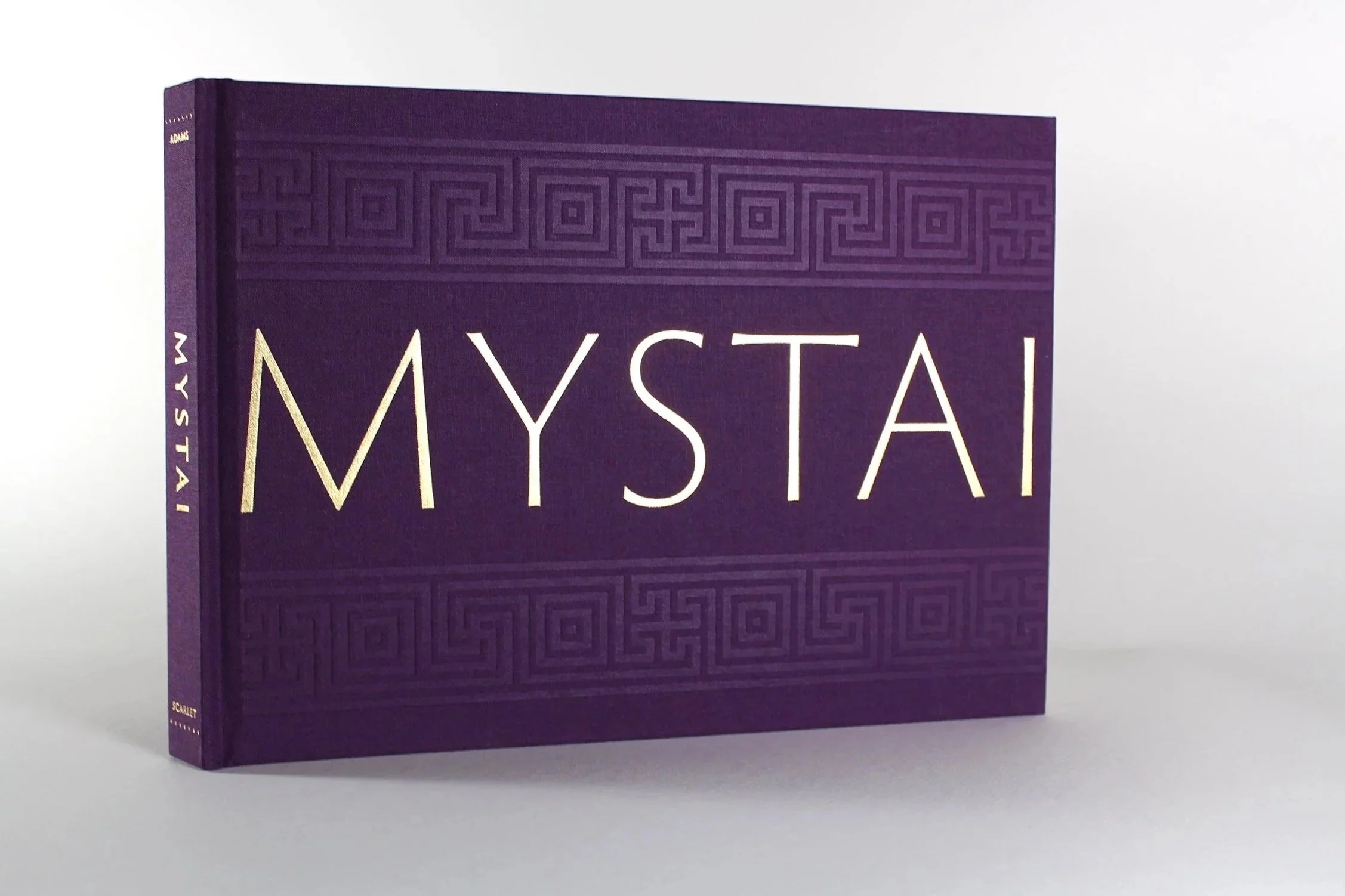
Limited to 64 copies
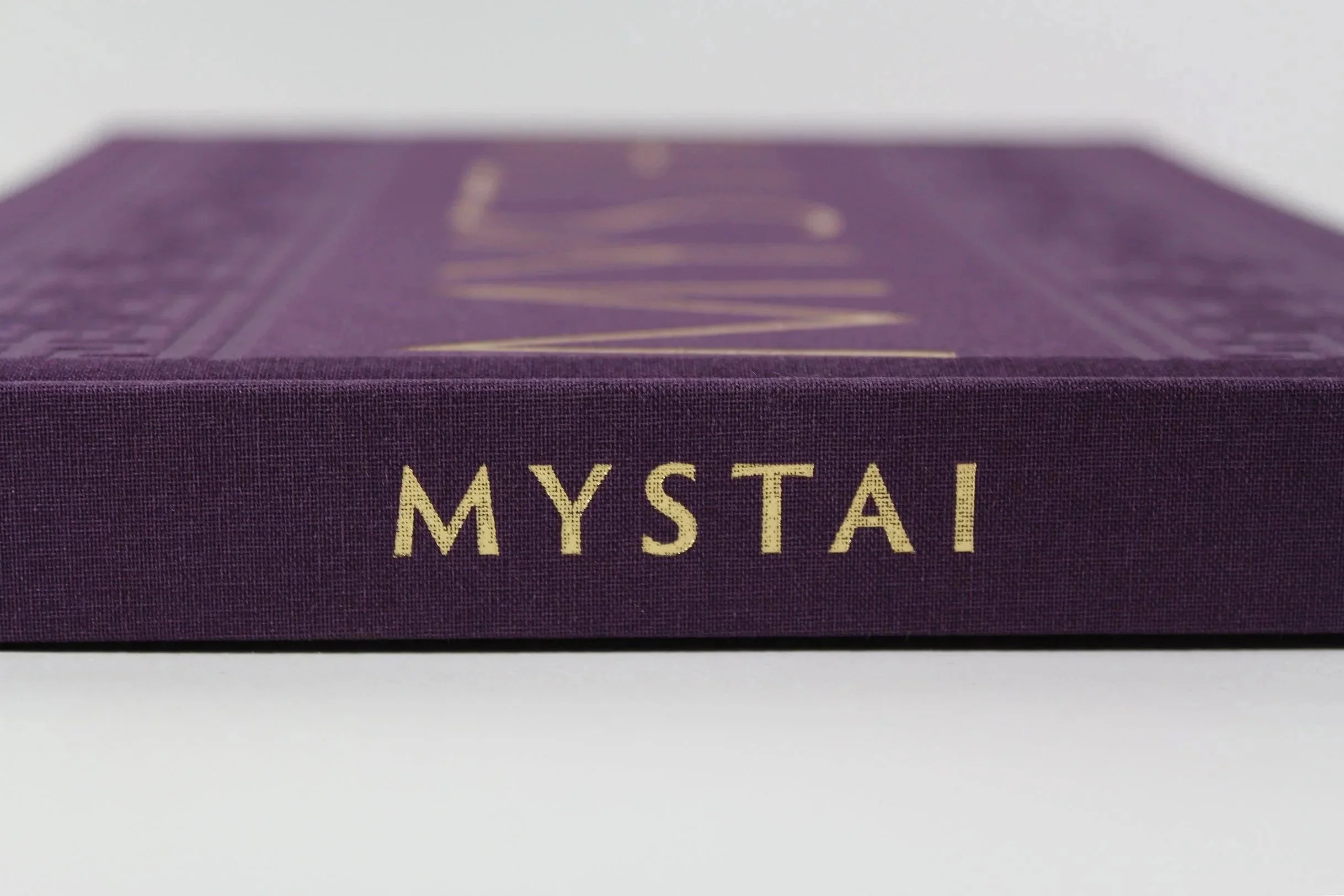
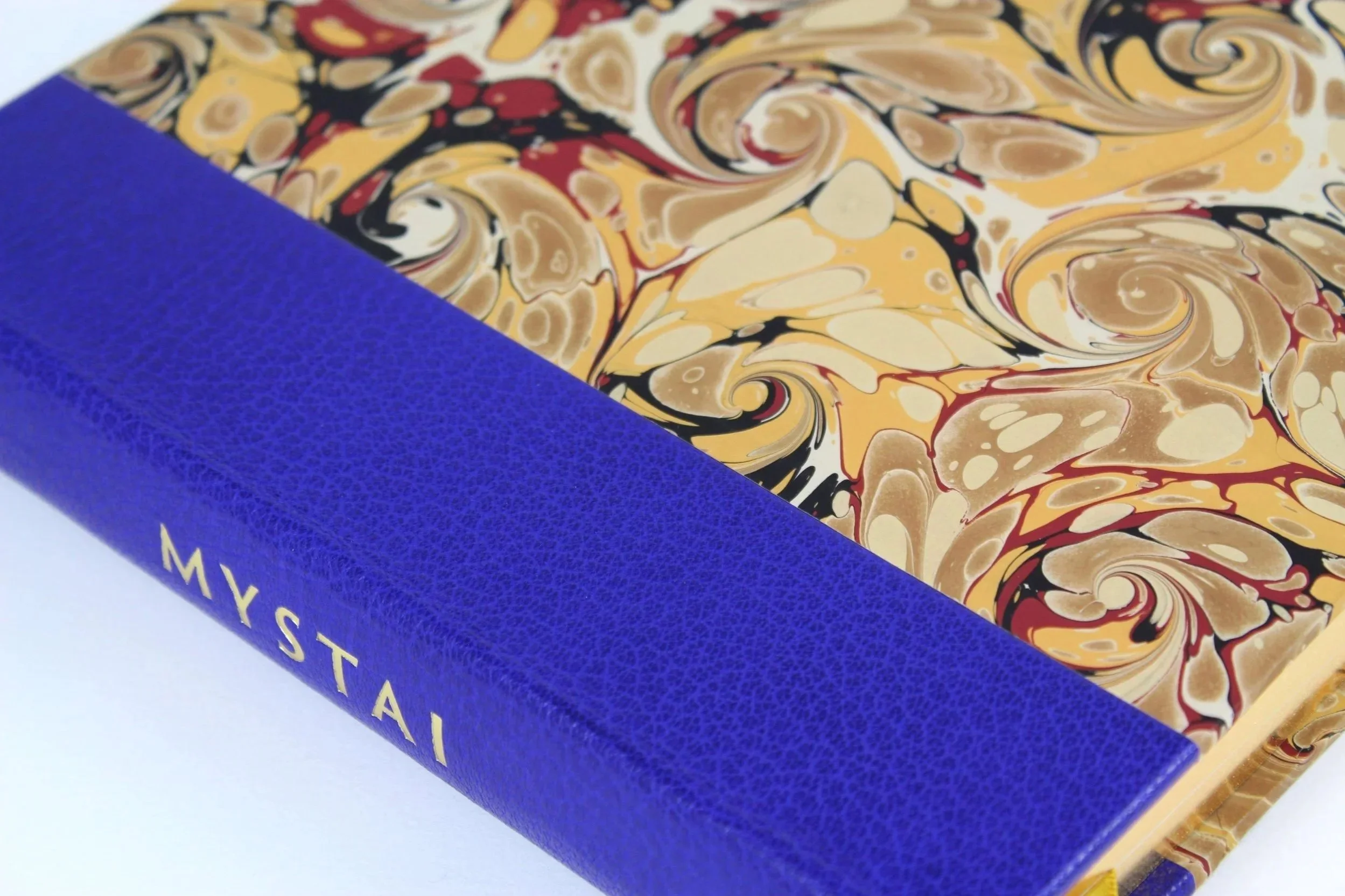
Handound in three quarter Harmatan purple goatskin, marbled boards and endpapers, all edges gilt, finished with a silk ribbon and presented in a solander box.
Standard hardback edition
– sold out
Limited to 900 copies
Bound in purple cloth, blind debossed and stamped in gold, textured Pompeiian red endpapers.
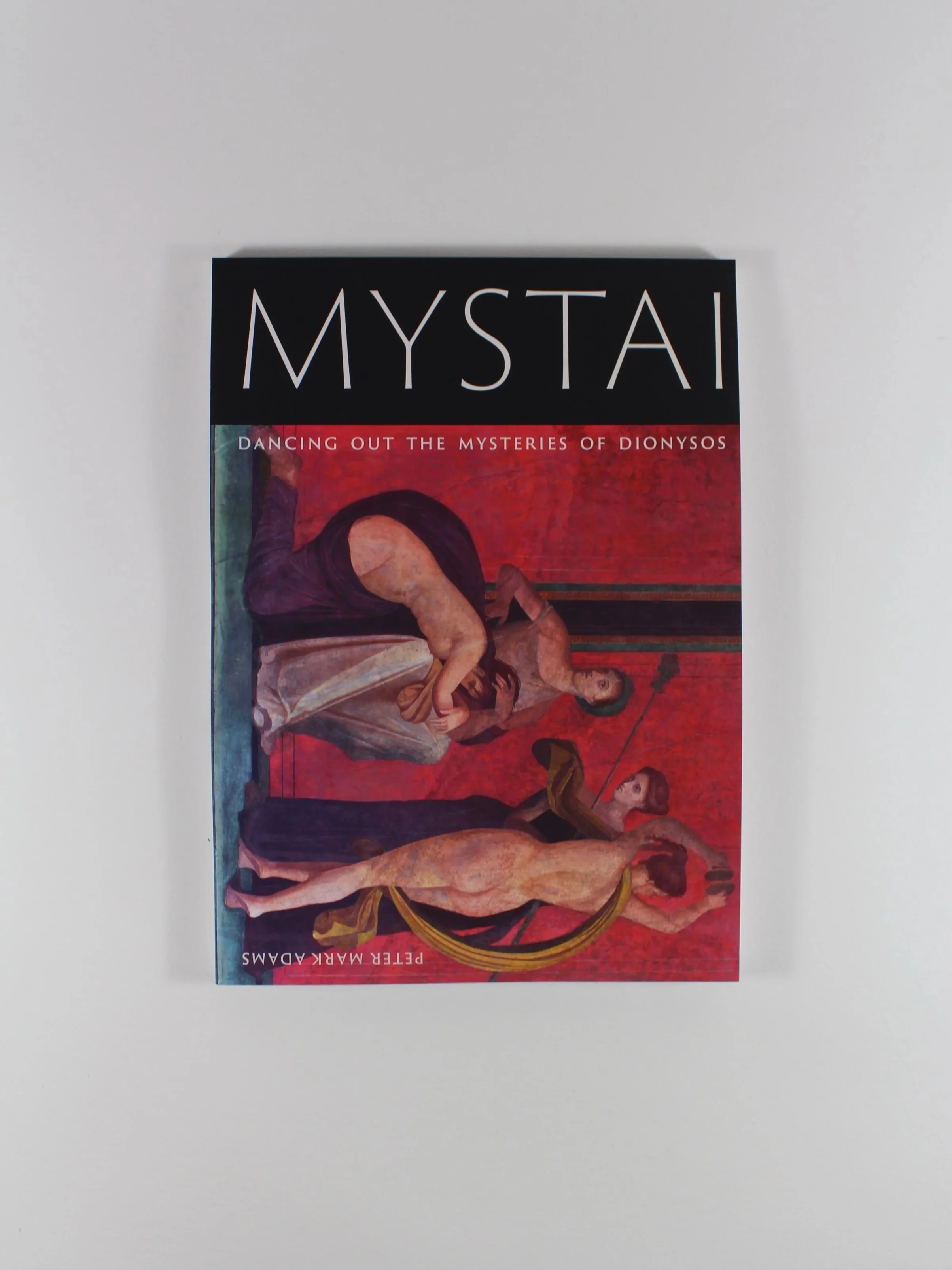
Paperback
– £40
Unlimited
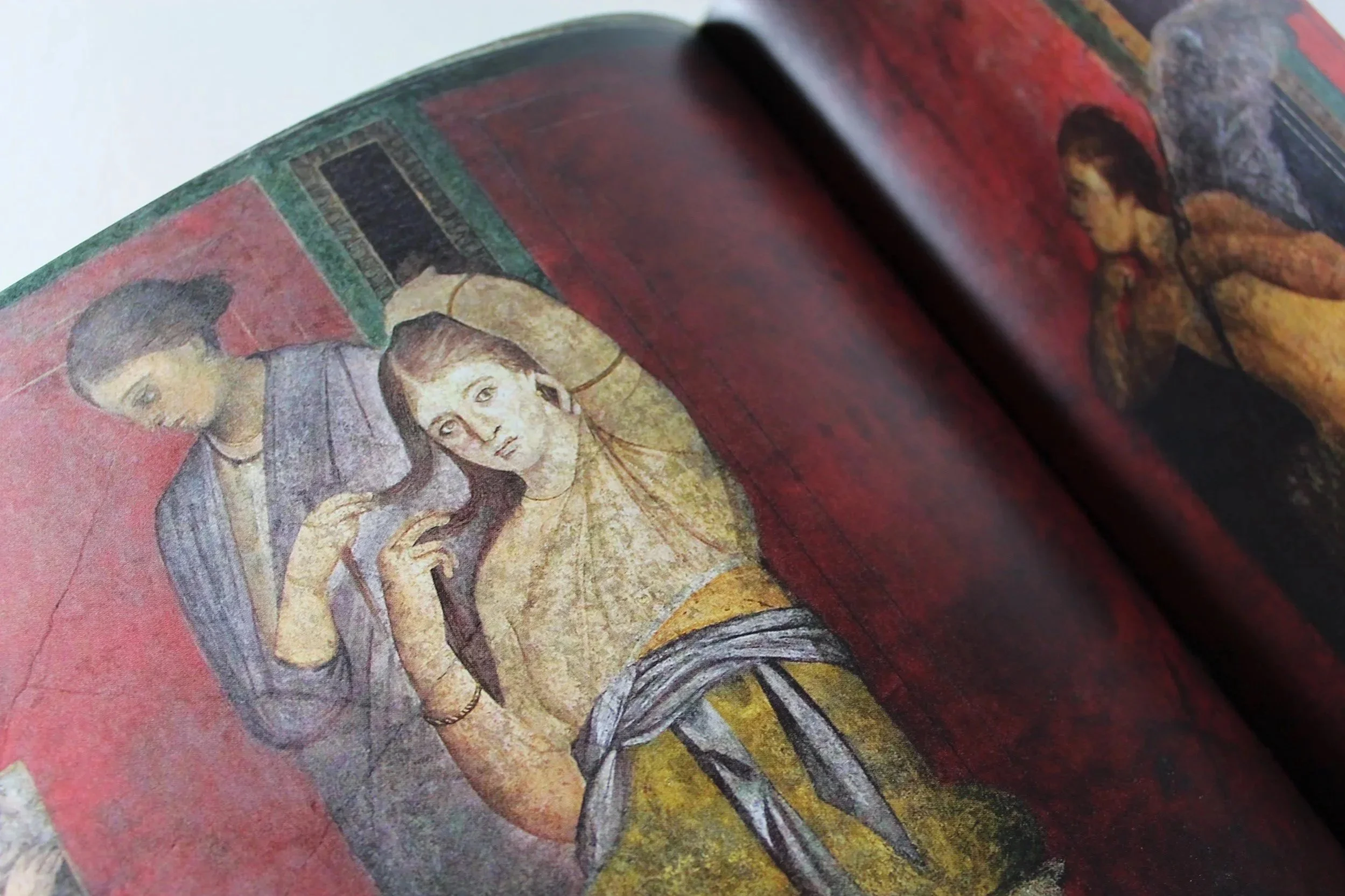
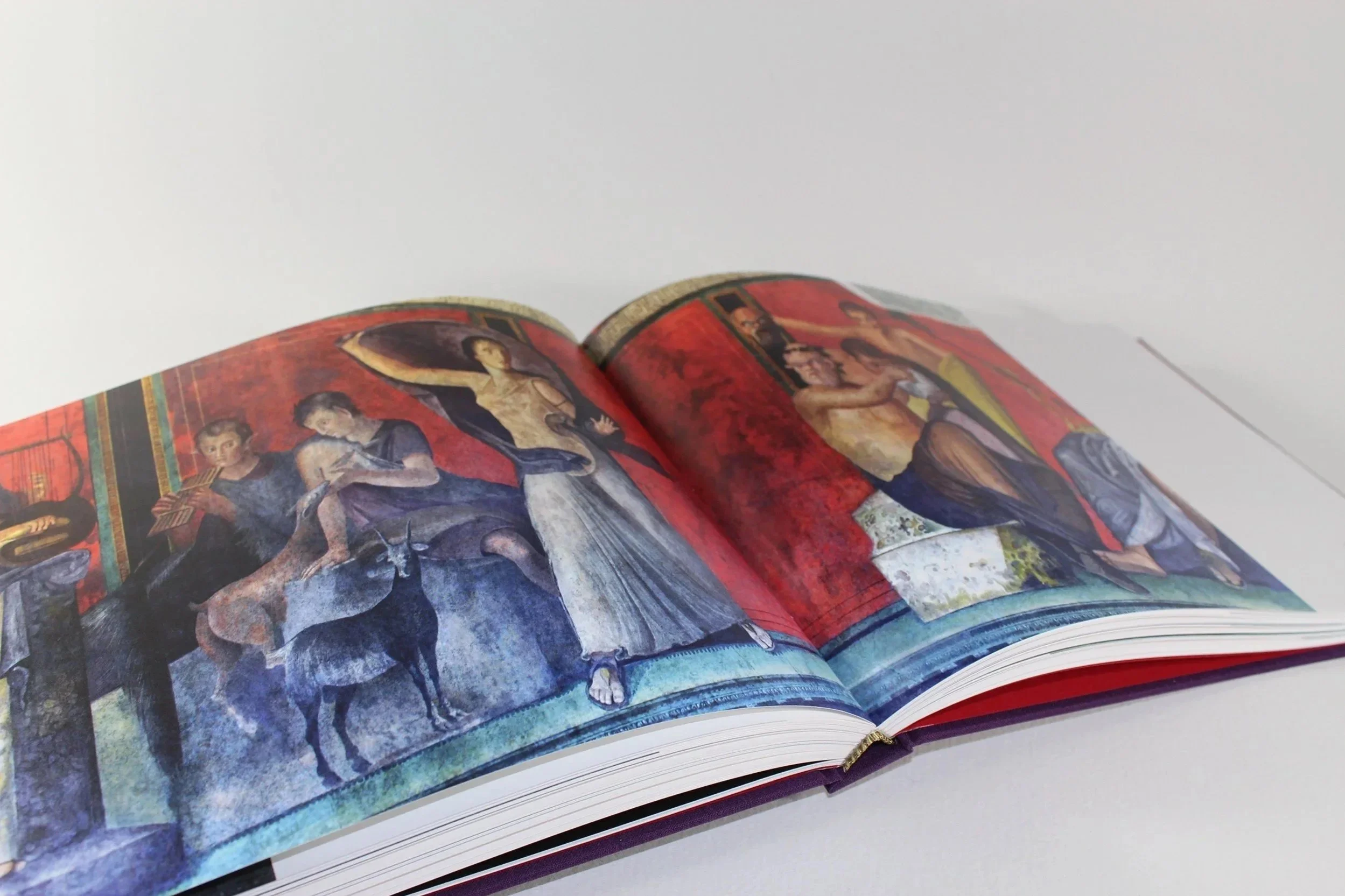
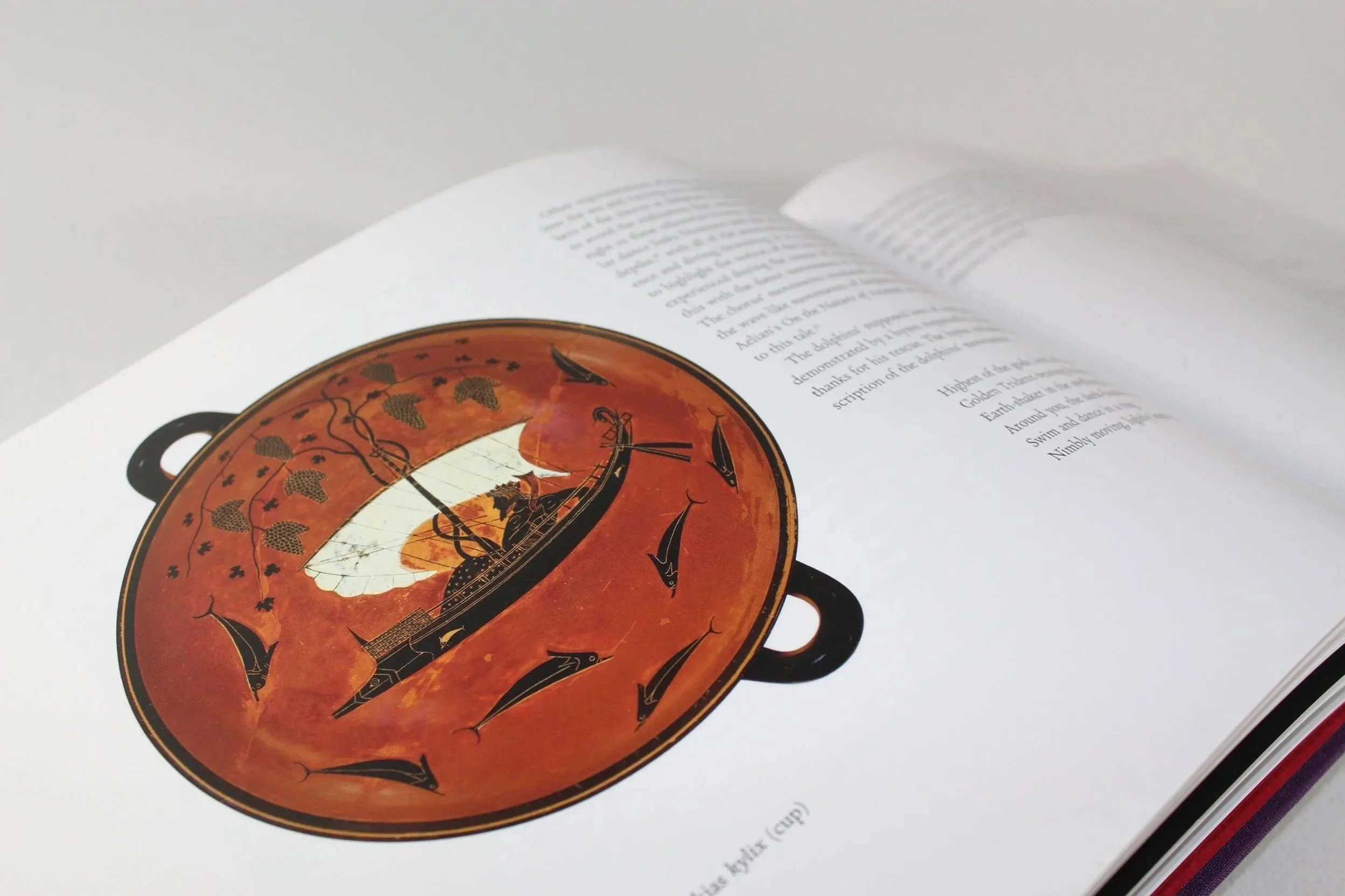
Printed in full colour on 170gsm paper.
Contents
Introduction
I · The Performative Nexus of the Mysteries
Dionysos
Orphism
The mysteries i: Myesis
The cultures of dance i: The Korybantic dance
The mysteries ii: Telete
The cultures of dance ii: The circular chorus
The mysteries iii: Epoptai
The cultures of dance iii: The chorus of the stars
The deixis of sacred choral dance
II · The Mysteries in their Campanian Social Milieu
Dionysos in Campania
Dionysian thiasoi and lineage holders
III · Reading the Frescoes’ Implicit Narratives
The Villa of the Mysteries
The rooms and their frescoes
Designing an esoteric narrative
Modes of visuality
Imagistic modes of religion and the theatre of memory
Heterotopias and the interstices of initiatory space
Chronotopic inversion
The frescoes’ exotopic female gaze
IV · The Initiatory Drama of the Mysteries
Reading the frescoes
The north wall
i · Family group of itinerant initiatrix
ii · Ritual of purification
iii · The rural idyll
iv · The ‘alarmed woman’
The east wall
i · The Korybantic scene
ii · The epiphany of the gods
On the epiphanies of gods
Monosandalos
Ariadne as protomystês
Ariadne’s thread
iii · The initiatory crux
The south wall
i · Of this men shall know nothing
The role of entheogens in Bakkhic ritual
ii · The dance of the bakkhe
iii · The robing of the bride
The west wall
The Domina
Glossary
Description
The Dionysian themed frescos of Pompeii’s Villa of the Mysteries constitute the single most important theurgical narrative to have survived in the Western esoteric tradition. No other practitioner account of the ritual process for conducting a mystery rite has survived down to today. The frescoes’ vivid and allusive imagery illuminates both the ritual activity of the participants as well as its esoteric import.
The frescoes, created in the most private rooms of the extensive Roman villa, were never meant to be seen by anyone other than the members of the all-female Bakkhic thiasos who conducted their most secret rites within them. Buried and preserved for posterity by the eruption of Vesuvius in 79 CE, these stunning proto-Renaissance images guide the viewer through the consecutive stages of a theurgic rite of initiation into the mysteries of Dionysos.
Uniquely, these newly restored and, here for the first time, stunningly reproduced images guide the reader through the stages of initiation vividly illuminating the ritual activity.
Taking an interdisciplinary approach, Peter Mark Adams interprets the frescoes through the distinct performative lens of the ritualist drawing on current scholarship across the disparate fields of classical philology; the ritual dress codes of Greco-Roman priestesses; art history; and the comparative ethnography of rites of higher initiation to illumine the significance of the ritual grammar and the phenomenology of ritual participation.
Arising from within the unique interface between Greek and Roman culture in Southern Italy, the frescoes attest to the survival of an unbroken initiatic tradition of mystery rites of Dionysos on the Italian peninsula stretching back to the fifth century BCE.
Press, interviews, reviews
Ritual grammar & the logic of transcendence at the Villa of the Mysteries – Peter Mark Adams at Treadwell’s Bookshop
Foolish Fish review by Denis Poisson
Paralibrum review by Damon Zacharias Lycourinos
On the Mysteries of Dionysus – Peter Mark Adams talking with Eric Langen of the Spirit World Center
Conversations from the Edge Peter Mark Adams discusses Mystai with Mark Stavish
Explore further works by the author.
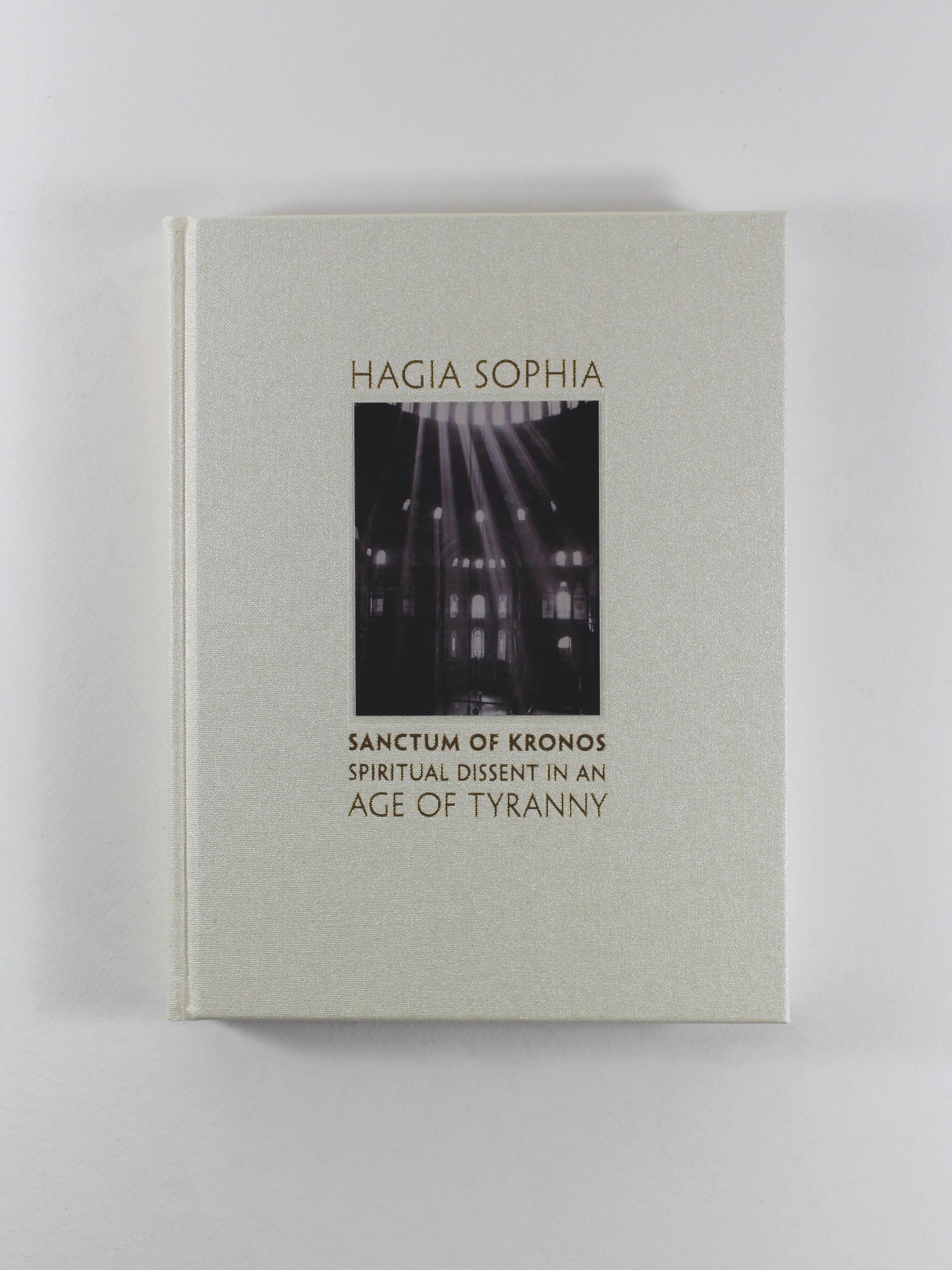
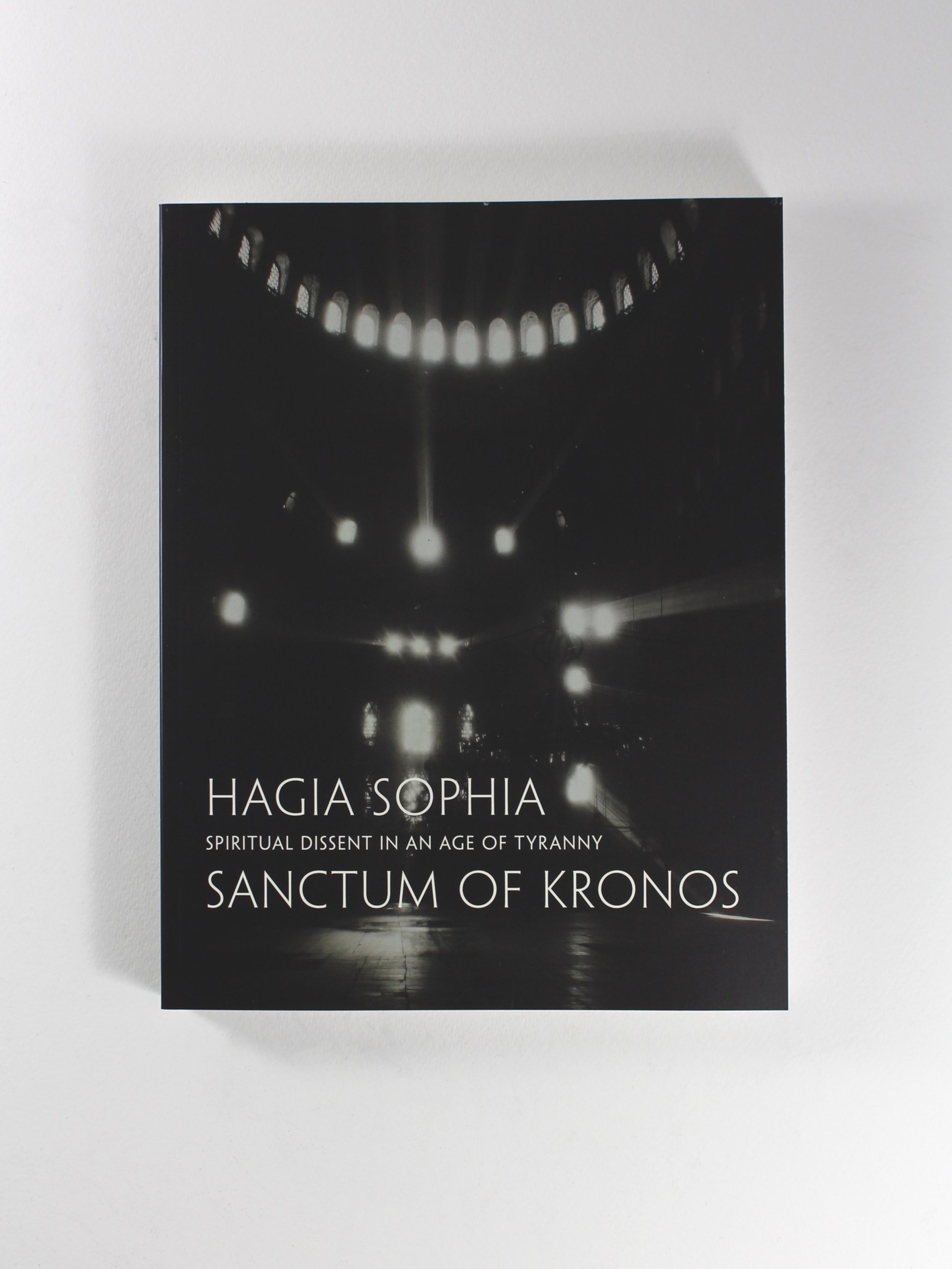
Peter Mark Adams’s in depth study of the esoteric doctrines and spiritual traditions encoded within the Hagia Sophia, as manifested in its structural and decorative design.
Crown 4vo (245 × 189 mm)
240 pp
Specially commissioned colour photographs of the marble revetment; black & white studies in light; and architectural drawings.
Issued in 4 editions –
fine / standard hardback / paperback / digital
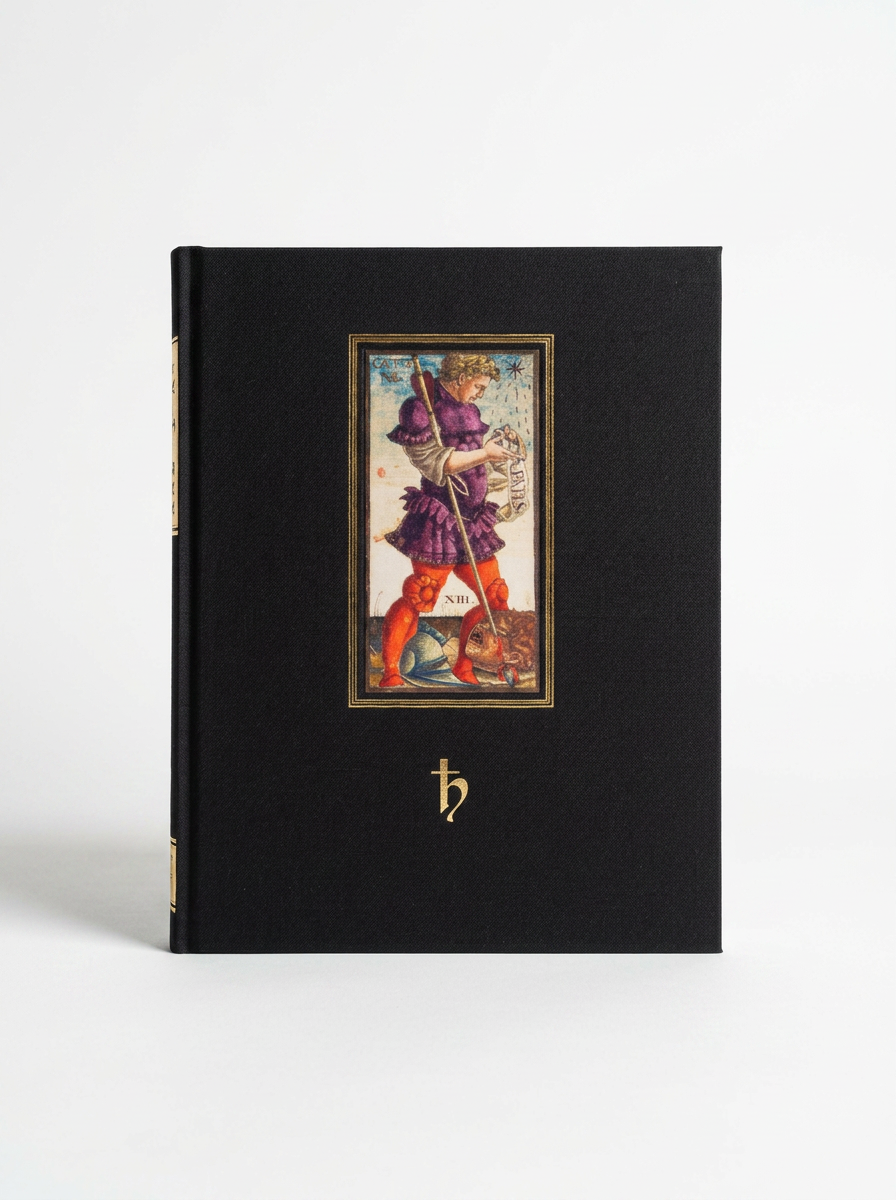
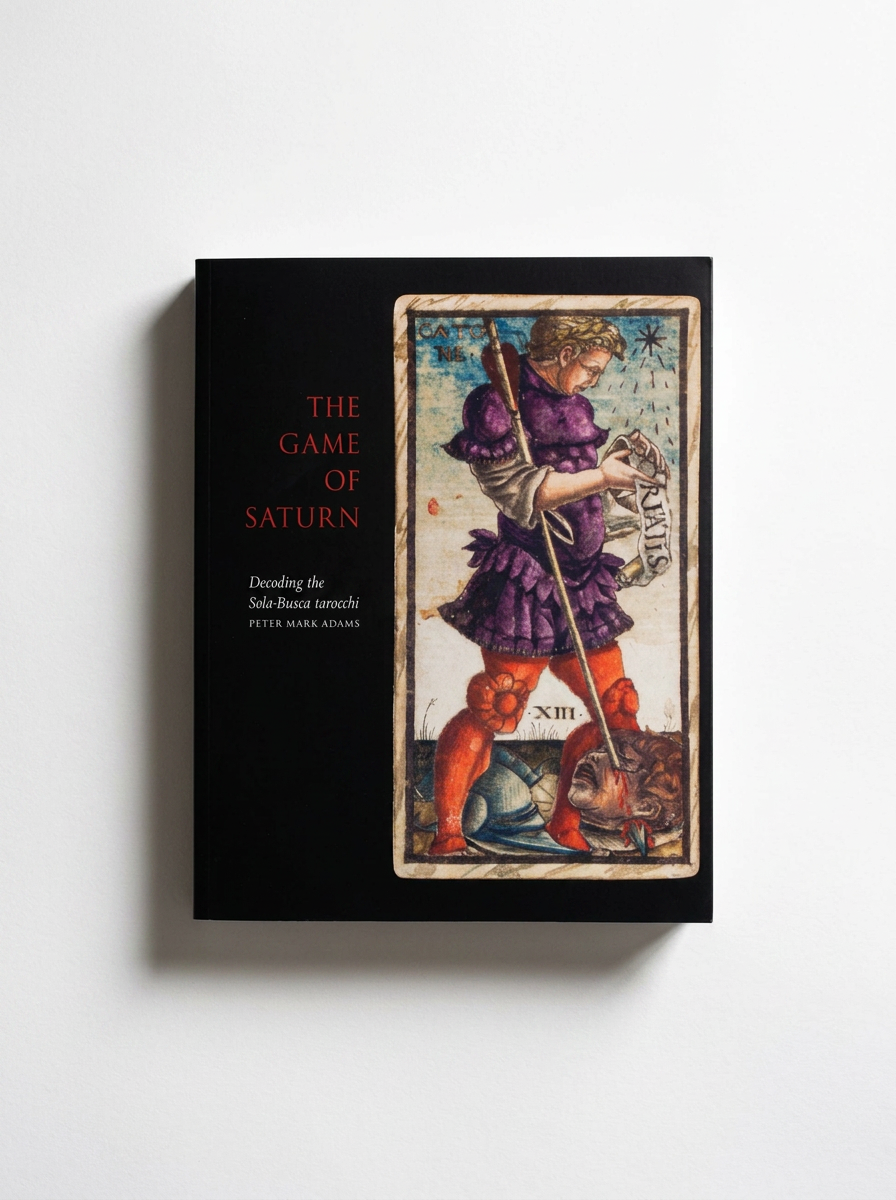
A new edition of Peter Mark Adams’s The Game of Saturn: Decoding the Sola-Busca Tarocchi, the first full length, scholarly study of the enigmatic Renaissance masterwork.
4to (280 × 215 mm)
316 pp
Extensively illustrated in colour
Issued in 2 editions –
standard hardback / paperback
A conversation between Peter Mark Adams and Christophe Poncet on the esoteric tarot, in relation to the elite and Saturnian Sola-Busca tarocchi and the popular and luminous Tarot de Marseille. The two leading researchers into the hidden legacy of the tarot discuss the significance of their discoveries, which overturn the prevailing academic orthodoxy, and in doing so transform our understanding of the role of tarot in Western esotericism.
Royal 8vo (234 × 156 mm)
128 pp
Illustrated throughout in colour
Issued in 3 editions –
fine / standard hardback / digital